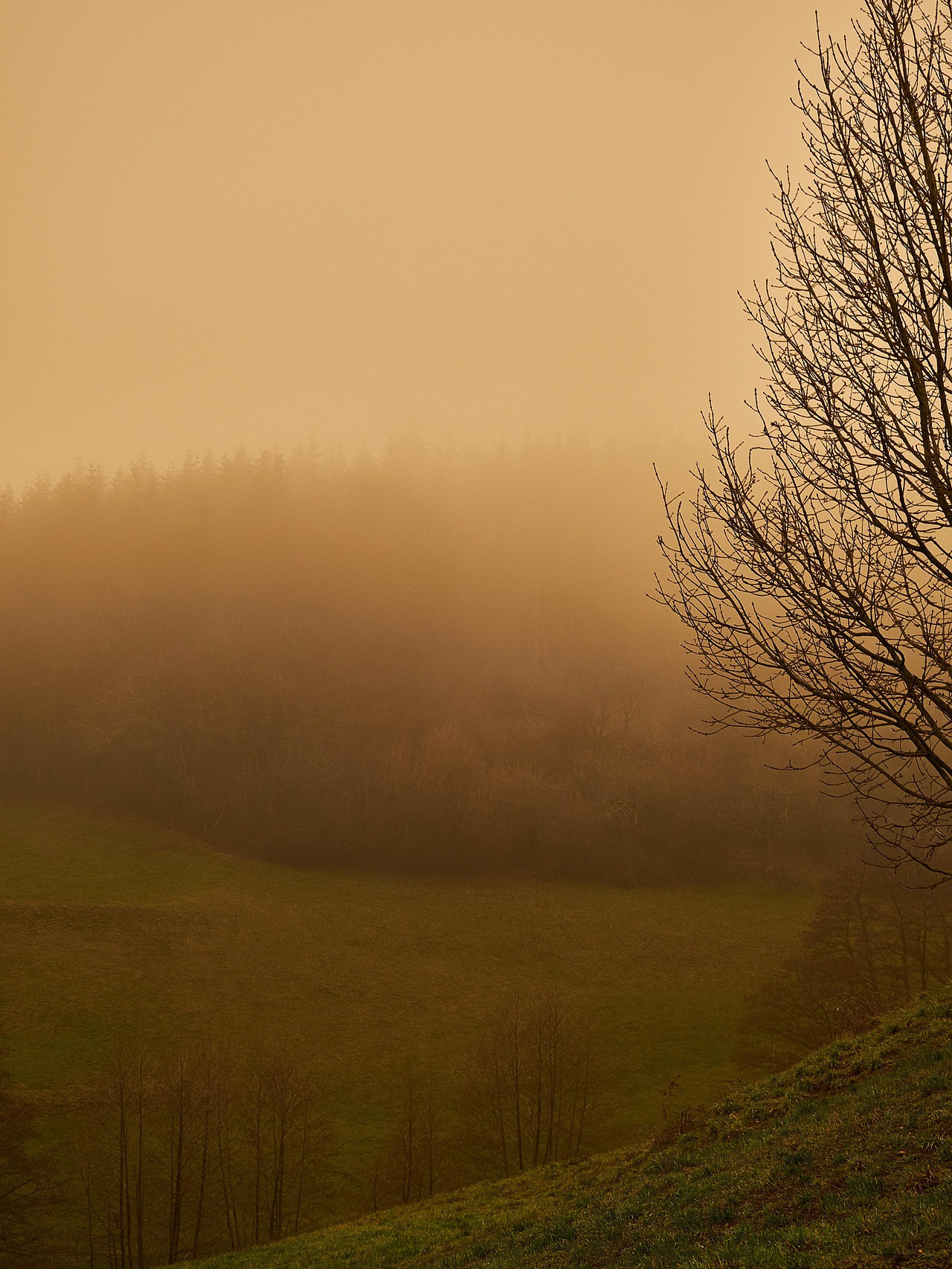
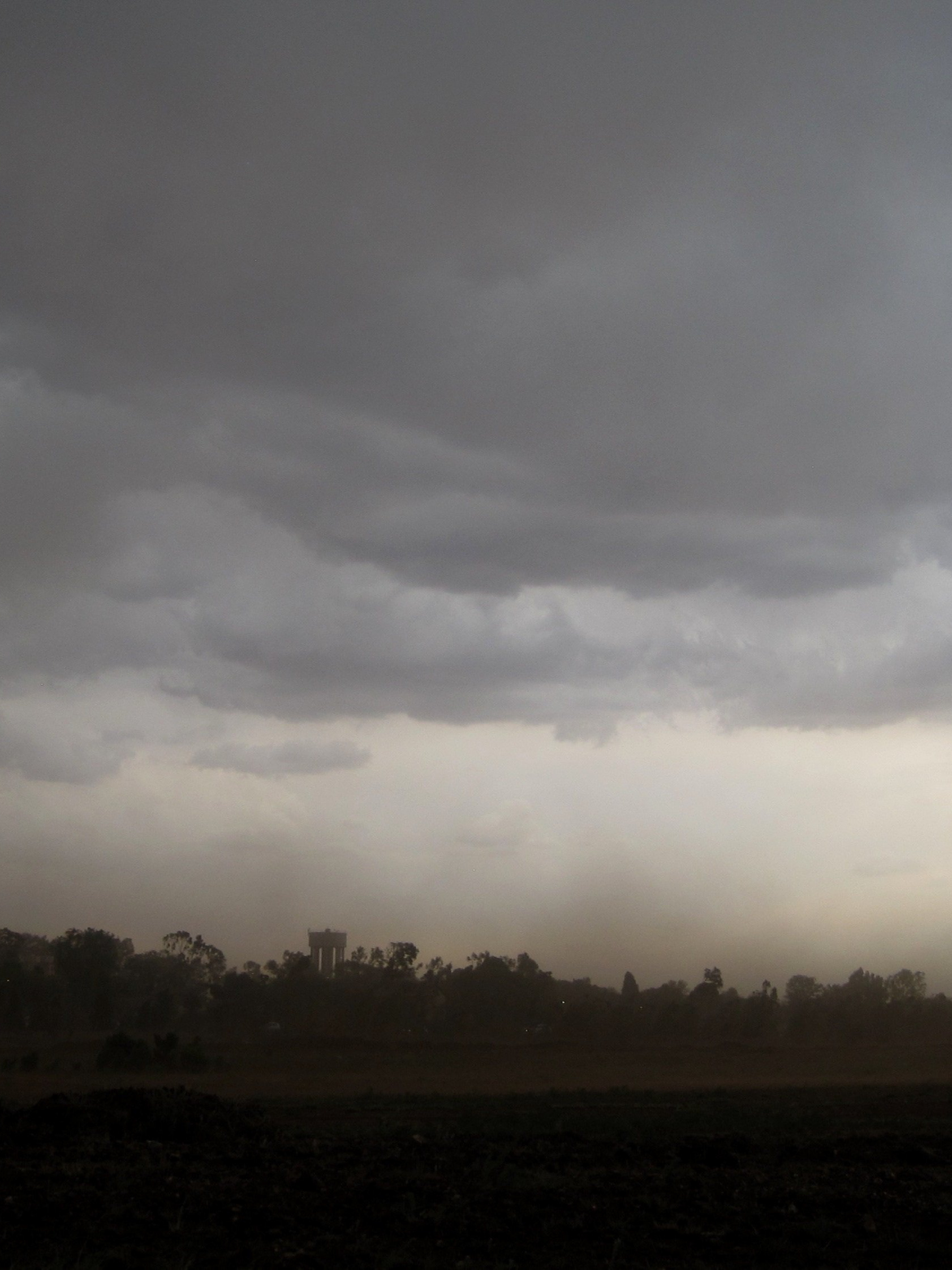
Relevance to directing: I constructed scenes and communicated ideas visually. I worked to build the story by developing story-world and using setting to strengthen character. I considered how I would direct the script as I built up the visuals to ensure they were as striking as possible.
My vision for this piece was to show a dichotomy between characters involved in the consumerist world, and characters who were victims of this, and then reinforce this divide through setting, possessions, personality, character desire and the conflicts they have.
What would the world be like if trees were completely eradicated?
My initial research led to two scary discoveries...
1. Since the end of the ice age, we've lost 1/3 of our forests and 46% of wild grasslands have been repurposed for agriculture [1]
2. In just over 100 years, the world lost as much forest as it had in the previous 9,000 years. [1]
Joining these discoveries with inspiration from texts such as Jeanette Winterson's Stone Gods, Cormac McCarthy's The Road and Waubgeshig Rice's Moon of the Crusted Snow, I developed the premise for this screenplay: what if there were no more trees?
Basing it in a highly-consumerist world, I spent a lot of time developing the kinds of people who would realistically live in the world. I came up with two types: the people who struggle, and the people who thrive.
Therefore, all these characters exist either as victims of the consumerism around them - Dereck, Neve and Bert - or beneficiaries of it - Mr Erwin and Mr Grover, and the auctioneer.
The narrative goes onto suggest that upward motion in this apocalyptic society from the bottom level is almost impossible, even with the absolute drive to move upwards like Bert, as the higher-ups are fore-mostly self-interested. However, escaping from society altogether also appears impossible, as this world has been so starkly affected by humanity that people now rely on medication, operations and the government even just to leave their houses... the character of Dereck, whose asthma in this world has been made into a terminal illness, reflects this reliance on governments to provide essential care.
[1]Ritchie, Hannah. “The world has lost one-third of its forest, but an end of deforestation is possible.” Our World in Data. Feb 9, 2021. Accessed Jan 20, 2025. https://ourworldindata.org/world-lost-one-third-forests#:~:text=Summary,size%20of%20the%20United%20States